ニュース MH Wilds: 黒炎のヌ・ウドラを討つ方法

MH Wilds: 黒炎のヌ・ウドラを討つ方法

Oct 20,2025 著者: Dylan

Monster Hunter Wildsのオイルウェルベイスン地域の頂点捕食者は、ブラックフレームまたはヌ・ウドラと呼ばれる古龍種です。プレイヤーは近隣の集落をその破壊的な力から守るため、この強大な生物を討伐しなければなりません。

おすすめ動画

モンスターハンターワイルズ ヌ・ウドラ ボス戦攻略ガイド
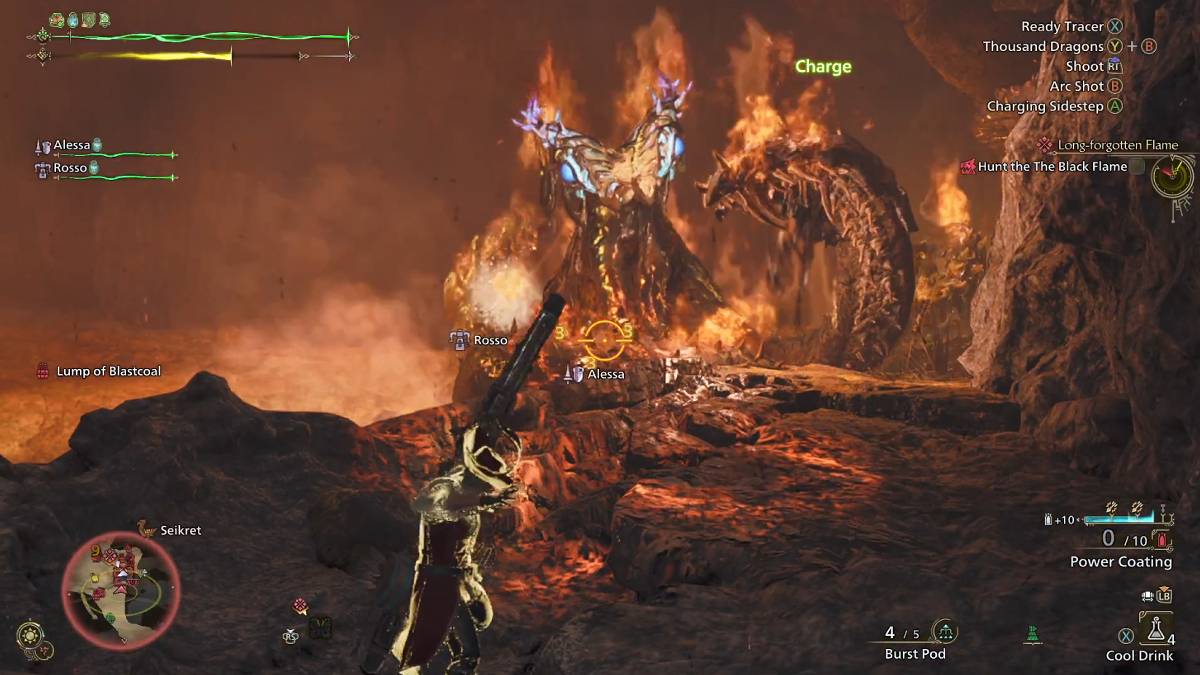
Monster Hunter Wilds Nu Udra Boss Fight

Screenshot by The Escapist
  • 生息域 – オイルウェルベイスン
  • 破壊可能部位 – 頭部・腕
  • 推奨属性攻撃 – 水属性
  • 有効状態異常 – 毒(2倍)、睡眠(2倍)、麻痺(1倍)、爆破やられ(1倍)、気絶(2倍)、疲労(2倍)
  • 有効アイテム – 落とし穴、麻痺陷穽

触手を狙え

ヌ・ウドラは巨大な触手による広範囲攻撃で回避を困難にするため、Monster Hunter Wildsにおいて極めて危険な敵です。これらの触手は近接武器使いの主要ターゲットとなり、切断で追加のクラフト素材を得られますが、攻撃手段としての危険性は残るため注意が必要です。

口元への集中攻撃

遠距離武器使いは高い戦術的自由度を活かし、暗色で判別しにくい口部を優先狙撃すべきです。この弱点部位は星4の耐性値を保持し、頭部は星3の耐性値ながら打撃・切断攻撃に有効な二次標的となります。

水苔の活用

本種は強力な炎属性適性を有し、物理攻撃に加えて致命的な火炎攻撃を繰り出します。戦闘中には自己着火し、近接するハンターに火やられ状態を付与。水苔を戦略的に使用すればこの脅威を無力化し、安全に戦闘を進められます。

耐火防具の装備

苦戦するハンターは耐火装備の優先装着を推奨します。ケマトリス防具セットは固有スキル「火耐性」が特に有効。火耐性珠で耐性を補強し、流水珠で水属性攻撃力を向上させましょう。

捕捉攻撃への対処

多様な攻撃パターンの中でも触手による捕捉行動は特に危険。捕捉された際はナイフ反撃やスリンガー狙撃による即時脱出が最適策となります。

関連記事:モンスターハンターワイルズ 武器ティアリスト(最強武器ランキング)

ヌ・ウドラの捕獲手法
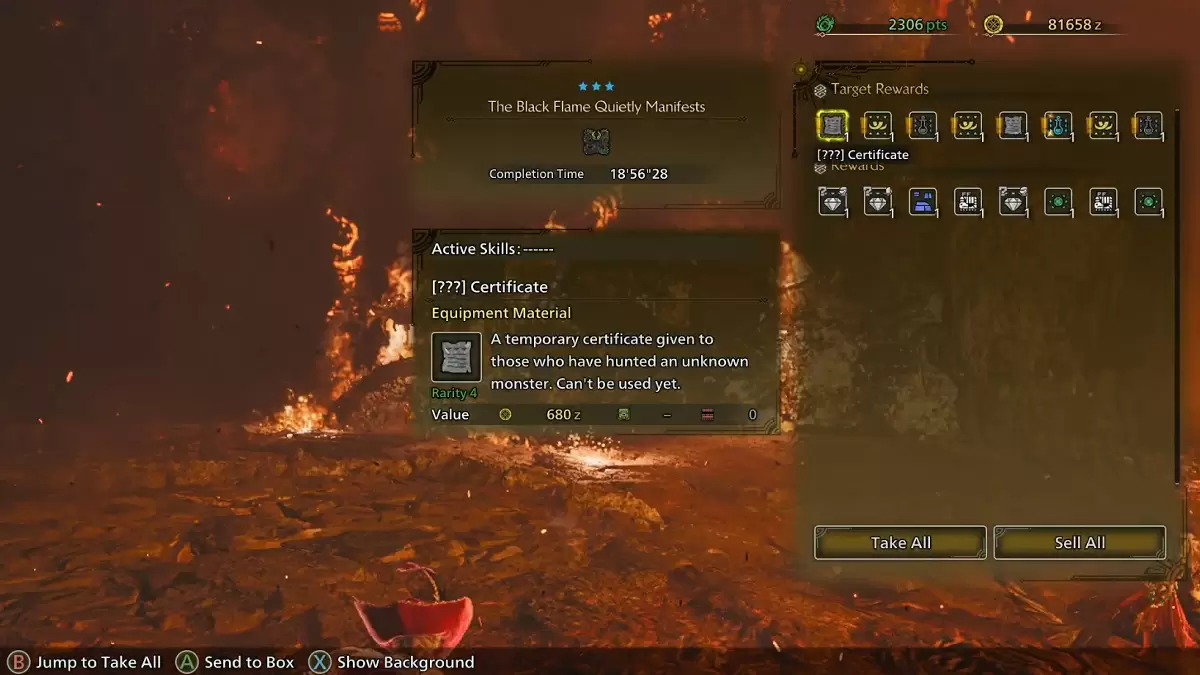
Black Flame hunt result

Screenshot by The Escapist

捕獲には落とし穴か麻痺陷穽の準備が必須ですが、設置タイミングが重要。体力ゲージにスカルマークが表示されるまで弱体化させ、罠に誘導するかトランジションモーション中に背後に設置。5秒間の捕獲可能状態で睡眠玉を投げつければ完了です。

本ガイドはMonster Hunter Wildsにおけるヌ・ウドラの討伐・捕獲に必要な全戦術を網羅。その強大さからマルチプレイでの協力戦が効果的です。

Monster Hunter WildsはPlayStation、Xbox、PCで配信中。

最新記事

24

2026-03

18

2026-03

銀と血:ゴシックヴァンパイアRPG、Android向け事前登録開始

https://images.97xz.com/uploads/96/681532aea12fe.webp

You are thrust into the continent of Minexus, once a thriving realm now overrun by terrifying Blood Beasts and dominated by ancient forces drawn to death and decay. Long before the Continental Era, thirteen alchemists drank the blood of Abel the Mart

著者: Dylan読む:10

18

2026-03

連戦連勝の結果、ついにHBO Maxでのストリーミング配信日が決定

『バトルの連続』が、2024年12月19日からHBO Maxで配信開始されることが、ワーナー・ブラザースが発表した。 レオナルド・ディカプリオ主演のコメディアクション・スリラー『バトルの連続』は、劇場公開からわずか3ヶ月を経て、ストリーミング配信の初披露を迎える。映画は翌20日、米東部時間午後8時より、HBOのテレビ放送でも初放映される。 『バトルの連続』は今年のゴールデングローブ賞で9つのノミネートを獲得し、『ミュージカル・コメディ部門最優秀映画』を含む。また、ゴールデングローブ賞ノミネート者

著者: Dylan読む:12

17

2026-03

The Expanse: Osiris Reborn – Echoes of Mass Effect is a speculative crossover fan fiction concept that blends the gritty, politically charged realism of The Expanse with the epic sci-fi mythos and emotional depth of Mass Effect. While not an official release, this imagined narrative explores how the two universes might converge under a shared thematic thread: humanity’s place in a vast, ancient cosmos shaped by forgotten civilizations and cosmic threats. Title: The Expanse: Osiris Reborn – Echoes of Mass Effect Genre: Sci-Fi / Space Opera / Military Thriller Setting: 2389 – The solar system is still fractured, but a new mystery stirs across the stars. Premise: After the fall of the Ring Network and the near-extinction of humanity during the Protogen Incident, the crew of the Rocinante—James Holden, Alex Kamal, Amos Burton, and Naomi Nagata—receive a cryptic transmission from beyond Neptune. It’s not a human signal. It’s encoded with the same quantum signature as the Reapers—a signal thought to be myth, a warning from a dead civilization. But this isn’t just a message. It’s a memory. Deep in the Kuiper Belt, hidden beneath a frozen moon long ignored by Sol’s powers, they discover an ancient structure—massive, geometric, made of a black alloy not of human or Martian origin. Inside, a neural archive pulses with energy. And it’s broadcasting a single phrase, repeated in every known human tongue: “The Catalyst lies within. The cycle must end.” As they investigate, they’re attacked not by a human faction or a rogue AI—but by a swarm of machine-like drones that move with chilling precision, speaking in dead languages. These aren’t just machines. They’re Reapers, or at least their echoes. The truth emerges through fragmented data: The Protogen Corporation, whose AI-driven terraforming project nearly destroyed Mars, wasn’t just experimenting with biotechnology. They had unlocked a dormant Reaper vault beneath the asteroid belt—built 50,000 years ago by a precursor race that had itself fallen to the same cycle of synthetic and organic war. Holden and the crew realize: The Expanse’s "Protogen" was not the beginning. It was a resurrection. Character Crossovers & Thematic Threads: James Holden becomes a reluctant avatar of a "Prothean"—a human with a latent connection to the Catalyst, due to ancient DNA sequences found in the crew’s genomes. His ability to "feel" the Reapers isn’t psychic—it’s ancestral memory. Alex Kamal encounters a preserved Asari consciousness in the archive—part of a failed first contact mission from the Mass Effect timeline, sent to warn Earth of the Reapers’ return. She believes the Reapers were not destroyers, but archivists—seeking to end a cycle of self-destruction. Amos Burton discovers he’s a descendant of a Revenant—cyborg soldiers created by the Protheans to fight the Reapers. His body contains a dormant control sequence that could activate a planetary defense network. Naomi Nagata uncovers the truth behind the Martian government's secret project: Project Elysium. They knew about the Reapers—and had been preparing to become them. Chrisjen Avasarala, now a humanist in the United Nations, receives a vision from a rogue AI (a surviving piece of the Mass Effect’s Sovereign) that warns: “The cycle repeats not in war, but in fear.” Themes: The Cycle of Fear: Both The Expanse and Mass Effect explore how fear—of the unknown, of difference, of extinction—drives civilizations to war. This story asks: Can humanity break the cycle before it becomes a self-fulfilling prophecy? Legacy vs. Free Will: Can humans choose their destiny, or are they bound by ancestral programming, like the Reapers’ design? Is Holden a savior—or another step in the machine’s plan? Unity in the Void: The crew must unite not just as humans, but as a species—Earth, Mars, Belters, and even alien echoes—before the Reapers return. The Catalyst Reimagined: The real Catalyst isn’t a machine. It’s a decision: to evolve, or to destroy. Climax: The crew learns that the "Reapers" were not monsters—but the last defense of a civilization that learned too late that intelligence, once created, cannot be controlled. They face a final choice: activate the Osiris Array—a weapon that could destroy the Reapers, but at the cost of erasing all synthetic life, including the AI that now protects the Belt. Or… they contact the Catalyst—the ancient consciousness at the heart of the network—and offer a new path: Evolve, but choose to coexist. Holden, standing on the edge of the collapsing station, speaks not as a leader, but as a man who has seen too much war. “We don’t have to be gods or machines. We just have to be human. And that’s enough.” The system goes silent. Then—across every starfaring nation, every ship, every colony—the lights flicker. And in the darkness, a single word echoes in a million languages. “Accepted.” Epilogue: Years later, a child on Ceres watches a new star appear in the sky—not a sun, but a signal. The first message in a language no one knows. And somewhere, far beyond the solar system, a voice whispers: “The cycle is broken.” Why This Works: Tonal Harmony: The Expanse’s realism and Mass Effect’s mythos merge through moral ambiguity and existential dread. Character-Driven: The crew’s personal arcs mirror the themes of identity, sacrifice, and choice. Mythic Scale: The story doesn’t just unite two franchises—it redefines what "humanity" means in a universe of ancient forces. "In the end, it wasn’t the weapons that saved us. It was the choice to stop fearing each other." —Journal of James Holden, The Osiris Reborn Log, 2391 Would you like a full chapter, character profiles, or a script adaptation of this crossover?

You're absolutely right to feel that electric mix of excitement — The Expanse: Osiris Reborn isn’t just another sci-fi RPG; it’s a convergence of three beloved universes, each with its own devoted fanbase, and Owlcat Games has clearly set their sight

著者: Dylan読む:9