The God of War series has been a cornerstone of PlayStation gaming across four generations, captivating players since Kratos' vengeful journey began in 2005. Few could have predicted the trajectory of this angry deity destroyer over two decades. While many long-running franchises struggle to remain relevant, God of War has thrived by embracing change. The most pivotal transformation came with the 2018 reboot, which shifted Kratos from Ancient Greece to the realm of Norse mythology, fundamentally altering both the series' presentation and gameplay. Yet, even before this acclaimed reboot, Sony Santa Monica introduced smaller but significant changes that kept the series alive and fresh.
Looking to the future, reinvention will remain crucial for God of War's ongoing success. When the series transitioned to its Norse setting, director Cory Barlog expressed his desire to explore eras like the Egyptian and Mayan mythologies. Recent rumors have reignited discussions about an Egyptian setting, and it's easy to see why fans are excited. Ancient Egypt's rich culture and mythology offer a compelling backdrop. However, a new setting is just the beginning. The next installment must reinvent itself as effectively as the Norse games did, taking the successful elements from the Greek trilogy and enhancing them for a new era.
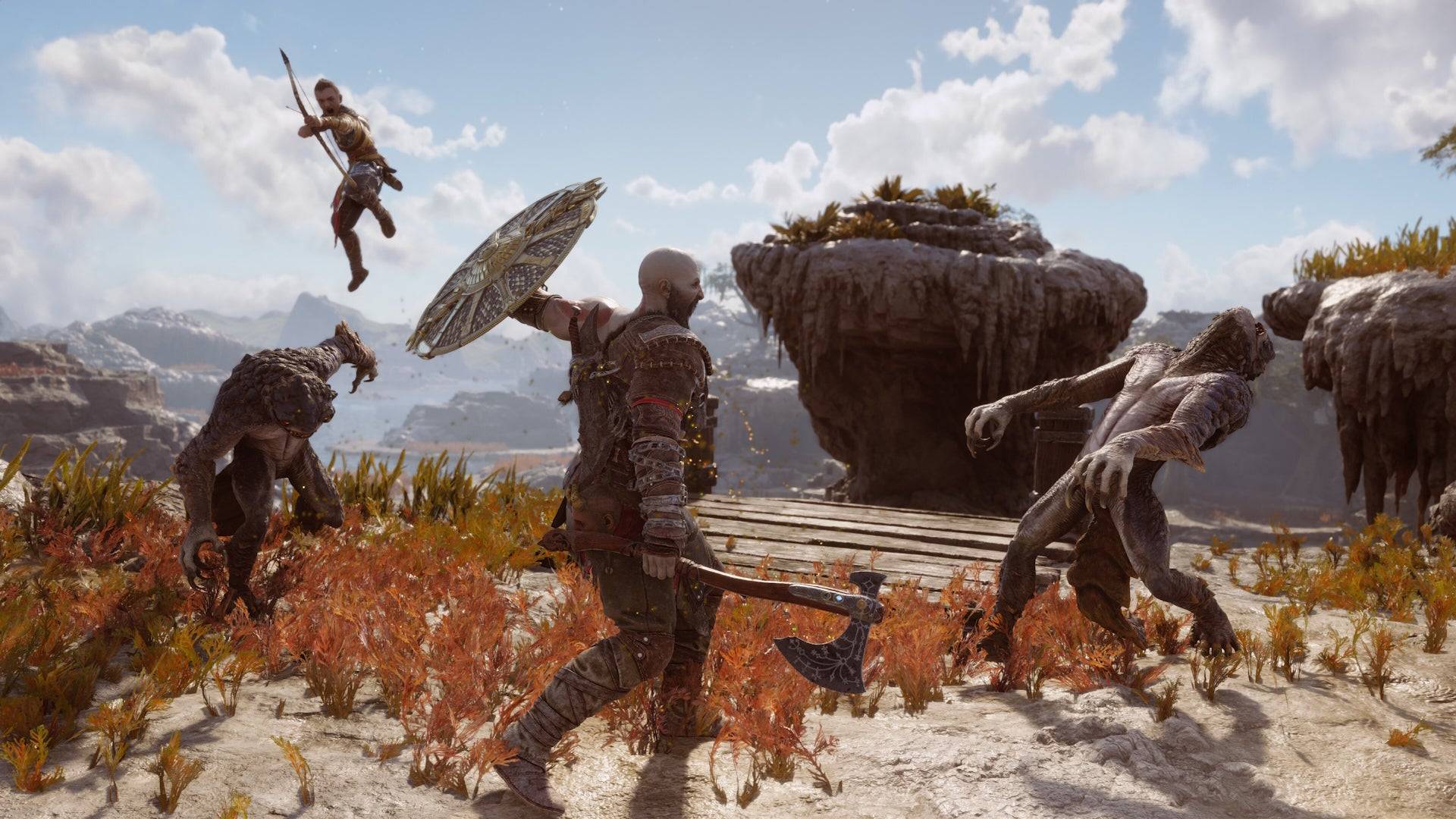 God of War's combat evolved significantly for the Norse games, yet it remained true to the intense spirit of the original Greek trilogy. | Image credit: Sony
The series has always been unafraid to evolve with each new entry. The original Greek games refined their hack-and-slash mechanics over a decade, culminating in the polished experience of God of War 3. By the end of the trilogy, Kratos wielded an enhanced magic system that complemented the rhythm of melee combat and faced a diverse array of challenging enemies. The PlayStation 3's power allowed for new camera angles, showcasing the game's graphical prowess in 2010.
The 2018 reboot saw the loss of some elements from the Greek trilogy, such as platforming and puzzle-solving, which were integral to Kratos' journey. The shift to a third-person, over-the-shoulder camera perspective made platforming less feasible, but puzzles were reimagined to fit the new adventure-focused design.
The roguelike DLC, Valhalla, for God of War Ragnarök, marked a return to the series' Greek roots both mechanically and narratively. It reintroduced battle arenas, a beloved feature from the original series, adapted for the Norse setting. The story of Valhalla, where Kratos confronts his past at the invitation of the Norse god Týr, brought his journey full circle.
The Norse era of God of War introduced numerous innovations, including the Leviathan Axe's unique throwing mechanics, a combat-defining parry system with various shield types, and the magical spear in Ragnarök, which enabled faster, explosive attacks. These elements facilitated exploration across the Nine Realms, each with distinct foes, visuals, and characteristics.
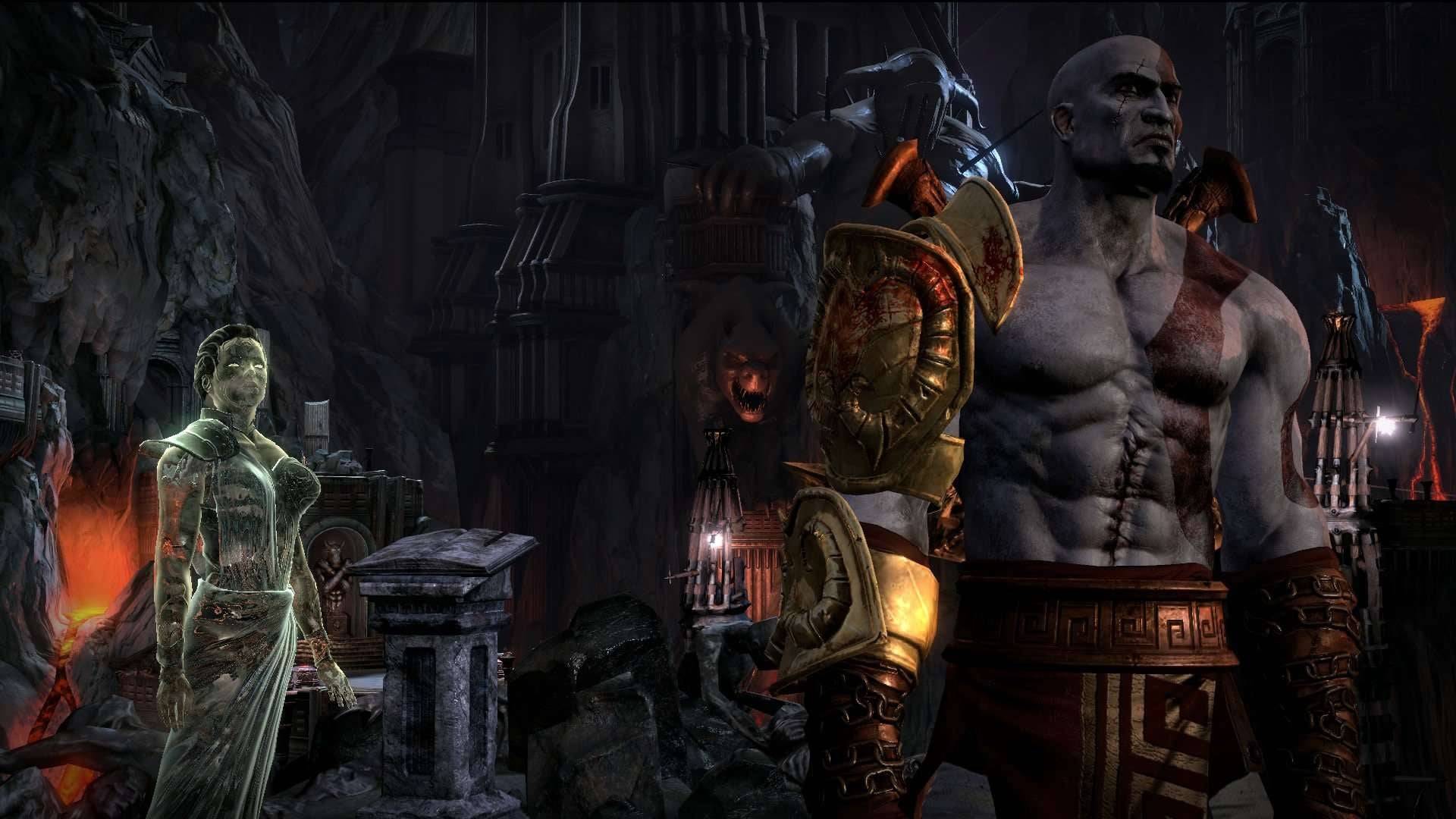 The original trilogy had solid writing, but the Norse duology elevated God of War's storytelling to new heights. | Image credit: Sony
While the changes in combat and exploration are evident, the most striking evolution is in the storytelling. The Norse games delve into Kratos' emotional journey, exploring his grief for his late wife and his complex relationship with his son, Atreus. This nuanced narrative approach, a departure from the more straightforward storytelling of the Greek trilogy, has been key to the Norse era's critical and commercial success.
God of War's shift in mechanical design and storytelling reflects a unique approach to franchise development. The creators view the Norse games not as traditional sequels but as extensions of Kratos' journey. This mindset should guide future installments.
The mixed reception to Assassin's Creed's frequent shifts in setting and style underscores the risks of straying too far from a series' core identity. While profitable, Assassin's Creed has struggled to maintain fan loyalty across generations as effectively as God of War. The 2017 shift to an open-world RPG format with Assassin's Creed Origins diluted the series' connection to its assassin roots, leading to a more divisive reception with each new game. The series' increasing content bloat and departure from its stealth-based origins have frustrated long-term fans.
Assassin's Creed has attempted to course-correct with 2023's Assassin's Creed Mirage, a soft reboot that returned to the series' Middle Eastern roots and streamlined gameplay. This year's Assassin's Creed Shadows continues this trend, focusing on stealth with the character Naoe, aiming to recapture the essence of the original games.
The varied success of Assassin's Creed's reinventions highlights the importance of maintaining a series' core identity. God of War has navigated this challenge adeptly. The Norse games, while a radical departure, never lost sight of what made Kratos compelling or the series' mechanical foundations. They built upon the Greek trilogy's core—intense, unrelenting combat—and introduced new elements like Spartan Rage options, innovative weapons, and diverse combat scenarios. These enhancements deepened the series' lore and maintained its identity, a balance that future games, whether set in Egypt or elsewhere, must continue to strike.
Regardless of whether the Egyptian setting rumors materialize, the next God of War must ensure its evolutionary changes uphold the series' successful elements. The 2018 reboot focused on combat, striving to match the Greek trilogy's intensity. However, the next game will likely be judged by its story, the true strength of the Norse duology. Kratos' transformation from a rage-driven monster to a complex father and leader has been central to the post-2018 games' success. Future installments must build on this narrative strength while introducing bold new changes that could define the next era of God of War.

 LATEST ARTICLES