Ubisoft has once again activated the Animus, this time transporting us to Japan's Sengoku Period with Assassin's Creed Shadows. The game introduces historical figures from 1579, such as Fujibayashi Nagato, Akechi Mitsuhide, and Yasuke, the African samurai who served Oda Nobunaga. As with previous entries in the series, these characters are seamlessly integrated into a narrative that blends fact with fiction, weaving a tale of revenge, betrayal, and murder. While the game's depiction of Yasuke gathering XP to wield a gold-tier weapon is purely fictional, it adds a thrilling layer to the gameplay experience.
Assassin's Creed is renowned for its historical fiction, crafting stories that fill historical gaps with science fiction and conspiracy theories about a secret society aiming to control the world using the powers of a pre-human civilization. Ubisoft's open-world environments are meticulously researched and rooted in history, yet it's crucial to recognize that these games are not history lessons. The developers often alter historical facts to enhance the storytelling, creating a rich tapestry of alternate history.
Here are ten notable instances where Assassin's Creed has creatively rewritten history:
The Assassins vs Templars War
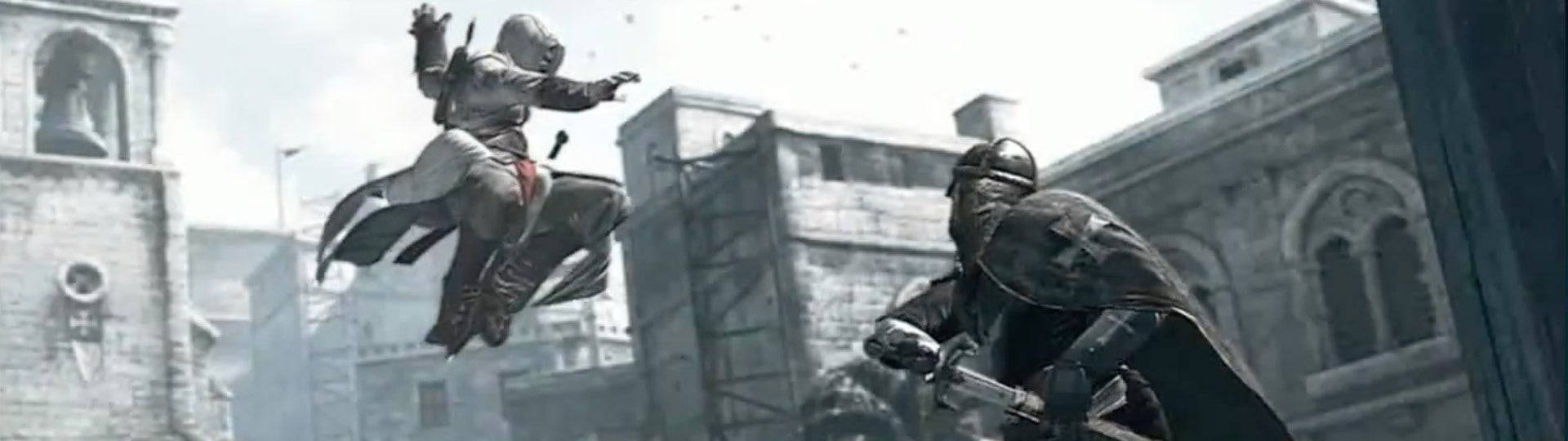
The conflict between the Assassins and Templars is a cornerstone of the series, yet there is no historical evidence to support such a war. The Assassins were established in 1090 AD, and the Templars in 1118, both disbanding around 1312. The idea of a centuries-long feud between these groups is purely fictional, inspired by conspiracy theories surrounding the Knights Templar. The only historical overlap was during the Crusades, which only the first Assassin's Creed game accurately reflects.
The Borgias and their Superpowered Pope
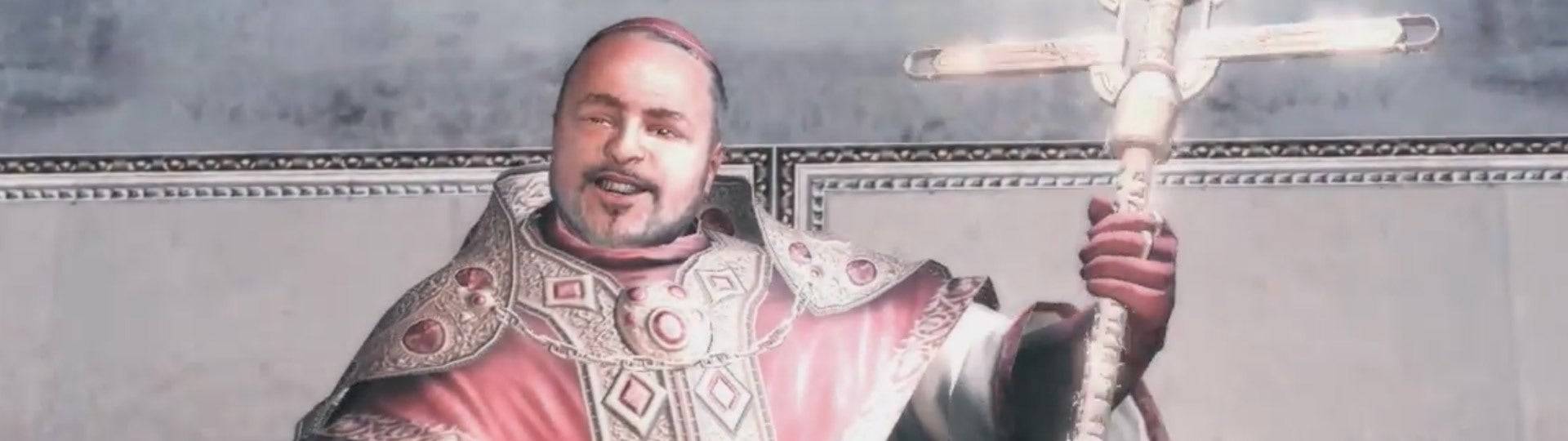
In Assassin's Creed 2 and Brotherhood, Ezio's conflict with the Borgia family is central. Rodrigo Borgia, who becomes Pope Alexander VI, is portrayed as the Grand Master of the Templar Order, a fictional twist since the Templars did not exist in the late 1400s. The game's depiction of the Borgias as villainous is a mix of historical accuracy and creative license, with Cesare Borgia portrayed as an incestuous psychopath, despite lacking historical evidence beyond rumors.
Machiavelli, Enemy of the Borgias
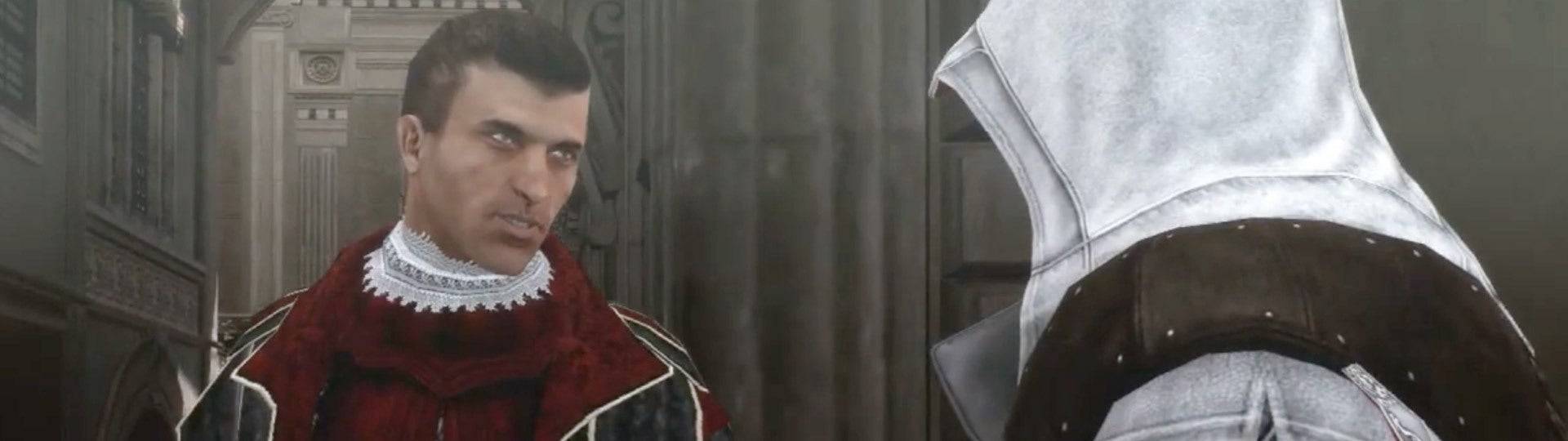
Niccolò Machiavelli, depicted as Ezio's ally and leader of the Italian Assassin's Bureau, is historically unlikely to have been an Assassin. His philosophies favored strong authority, which contradicts the Assassin's Creed's fight against it. Moreover, Machiavelli's real-life relationship with the Borgias was more nuanced; he respected Rodrigo's cunning and served as a diplomat under Cesare, whom he admired as a ruler.
The Incredible Leonardo da Vinci and his Flying Machine
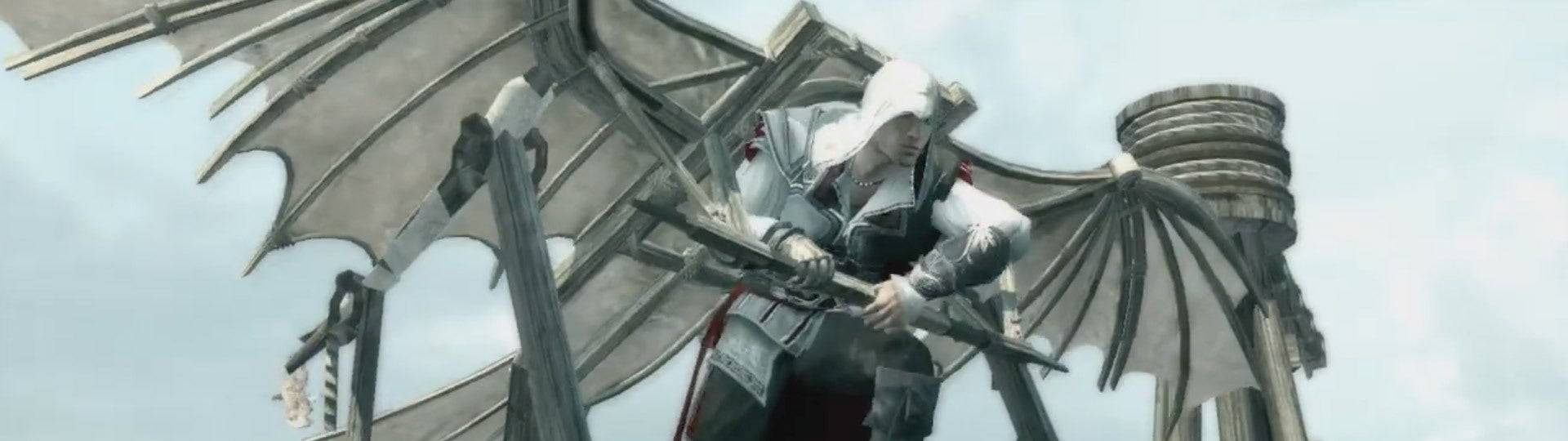
Assassin's Creed 2 showcases a strong portrayal of Leonardo da Vinci's charisma and wit, though his movements in the game do not align with his historical travels. The game's depiction of da Vinci's inventions, such as a machine gun and tank, are imaginative, but the flying machine used by Ezio is a significant departure from reality, as there is no evidence that da Vinci's designs ever flew.
The Bloody Boston Tea Party
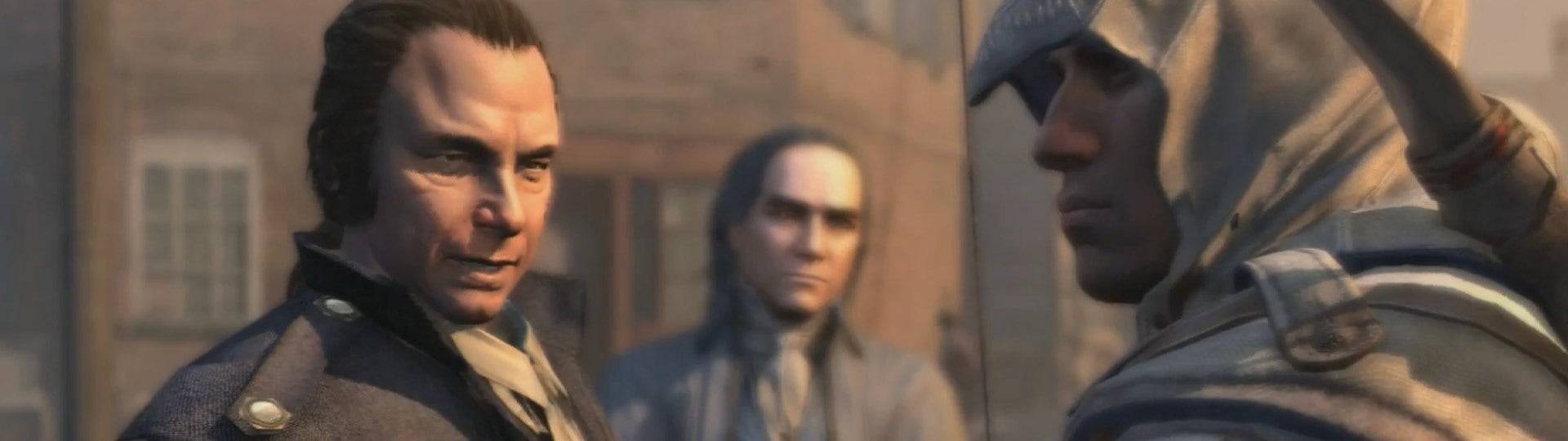
The Boston Tea Party, a non-violent protest in history, is dramatically altered in Assassin's Creed 3. Connor, the protagonist, turns the event into a violent confrontation, killing British guards while others dump tea. The game also suggests Samuel Adams masterminded the protest, a claim historians debate, showcasing Ubisoft's use of historical ambiguity to craft its narrative.
The Lone Mohawk

Connor, a Mohawk in Assassin's Creed 3, fights alongside the Patriots, contrary to the Mohawk's historical alliance with the British. This scenario, while unlikely, draws inspiration from Louis Cook, a Mohawk who fought against the British. Connor's story explores the "what if" scenario, adding depth to the game's narrative.
The Templar Revolution
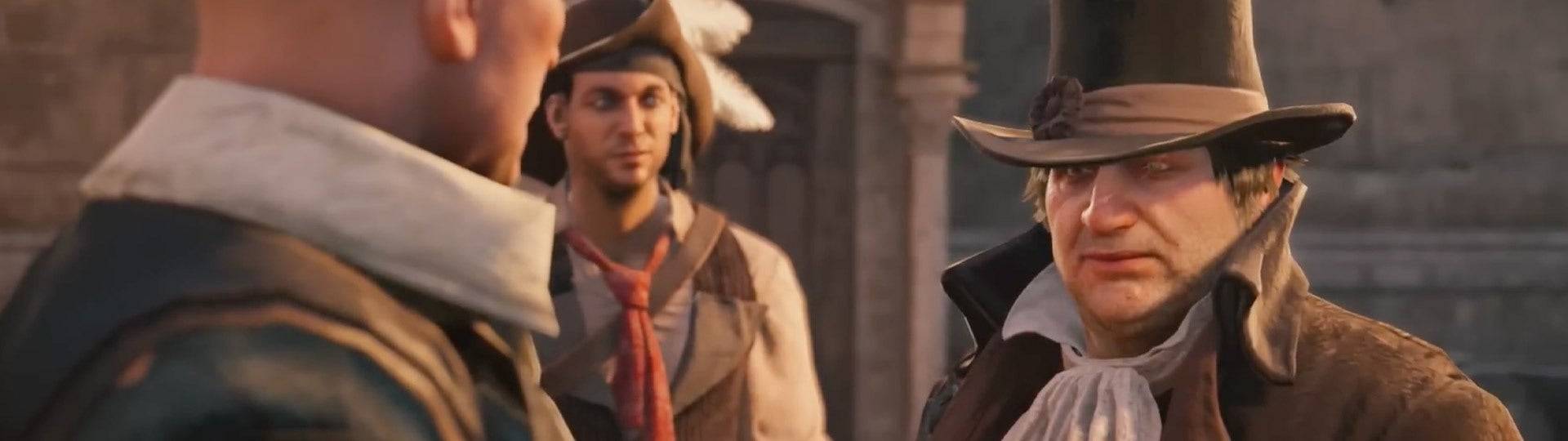
Assassin's Creed Unity's portrayal of the French Revolution as a Templar conspiracy is a significant departure from history. The game suggests the Templars engineered a food crisis, whereas historical records attribute the famine to natural causes. Unity also oversimplifies the Revolution, focusing on the Reign of Terror rather than the broader, multi-year struggle.
The Controversial Killing of King Louis 16

The execution of King Louis 16 in Assassin's Creed Unity is depicted as a close vote swayed by a Templar, which contradicts the historical majority vote for execution. The game downplays the King's attempt to flee France and the widespread anger against the aristocracy, presenting a softer view of the monarchy.
Jack the Assassin

Assassin's Creed Syndicate reimagines Jack the Ripper as a rogue Assassin seeking to control the London Brotherhood. This narrative twist, while engaging, diverges from the historical mystery surrounding the serial killer, whose identity and victim count remain unknown.
The Assassination of the Tyrant Julius Caesar

Assassin's Creed Origins reinterprets Julius Caesar's assassination, portraying him as a proto-Templar. The game's depiction of Caesar's political stance and the events leading to his death differ significantly from historical records, which highlight his popularity and reforms. The assassination in the game is framed as a victory against tyranny, yet historically, it led to the collapse of the Roman Republic and the rise of the Empire.
The Assassin's Creed series meticulously crafts its worlds with historical elements, yet these are often creatively altered to fit the narrative. This is the essence of historical fiction, and while it may not adhere strictly to historical accuracy, it provides an engaging and immersive experience. What are your favorite examples of Assassin's Creed bending the truth? Share your thoughts in the comments.

 LATEST ARTICLES