Nintendo stands as the most iconic brand in video game history. Since its inception, the company has pioneered creativity and innovation in home gaming. Renowned for its expansive library of cherished franchises—many retaining their timeless appeal decades later—Nintendo continues to thrive with a steady stream of upcoming releases. Following the official reveal of the Switch 2, now is the perfect time to revisit the gaming giant's storied console legacy.
Below, we've compiled every console Nintendo has ever launched. Take a trip through history and see how Nintendo has consistently redefined the gaming experience!
Looking for discounts on a Nintendo Switch or new games? Explore today's best Nintendo deals to save on your next purchase.
How Many Nintendo Consoles Have Been Released?
Nintendo has launched 32 consoles throughout its history, with the upcoming Switch 2 marking the 33rd. Our count includes hardware revisions like the XL and Mini variants across both home and handheld systems.
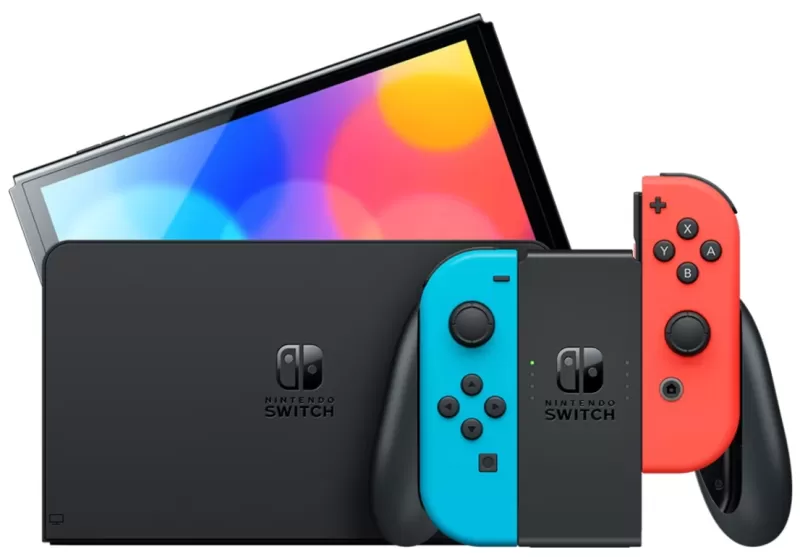
Latest Model
Nintendo Switch OLED (Neon Blue & Red)
4See it at Amazon
Every Nintendo Console in Chronological Order
Color TV-Game - June 1, 1977
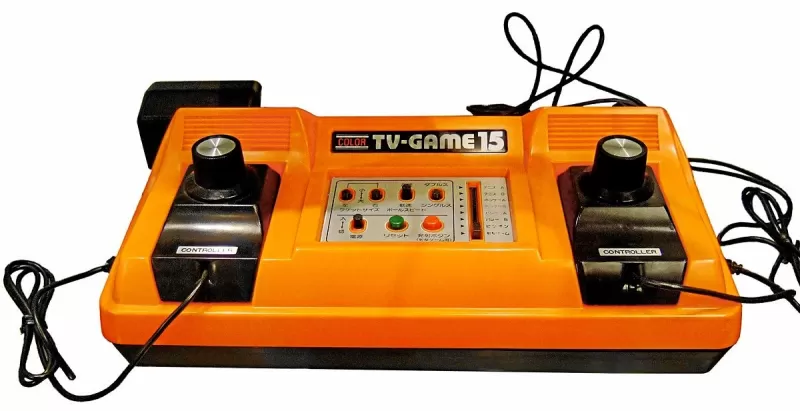
Nintendo’s first venture into gaming hardware, the Color TV-Game series, was a collaboration with Mitsubishi Electronics. These dedicated consoles proved to be a commercial success, setting Nintendo on its path as a gaming innovator. Nearly five decades later, their influence endures as Nintendo remains a dominant industry force.
Game & Watch - April 28, 1980
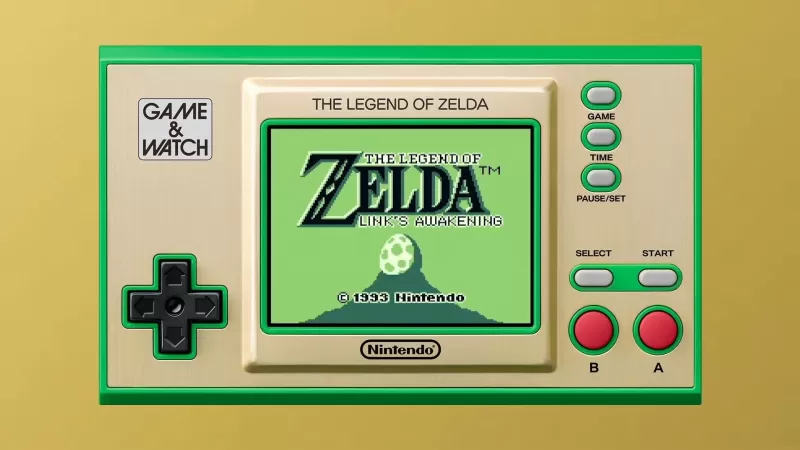
Nintendo’s Game & Watch handhelds introduced portable gaming with single-game cartridges. Selling over 40 million units, these devices pioneered innovations like the D-pad. Decades later, Nintendo revived the line with limited-edition models celebrating Mario and Zelda anniversaries.
Nintendo Entertainment System - October 18, 1985
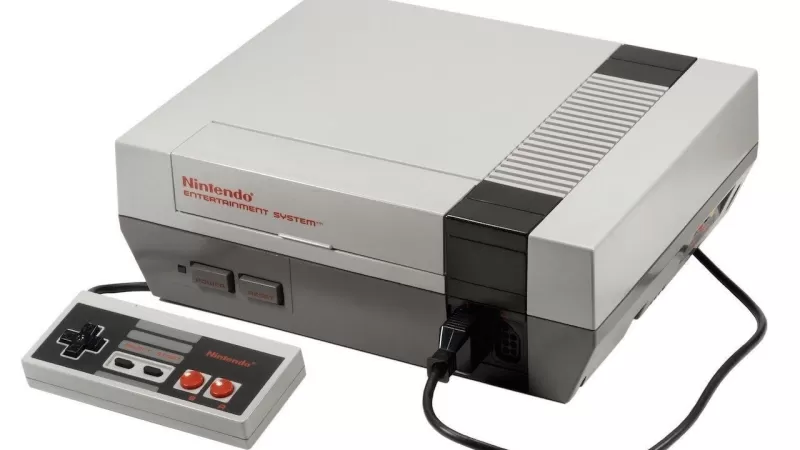
The NES (or Famicom in Japan) revolutionized home gaming with interchangeable cartridges. Iconic franchises such as Super Mario, The Legend of Zelda, and Metroid debuted here, cementing Nintendo’s legacy as a gaming powerhouse.
Game Boy - July 31, 1989
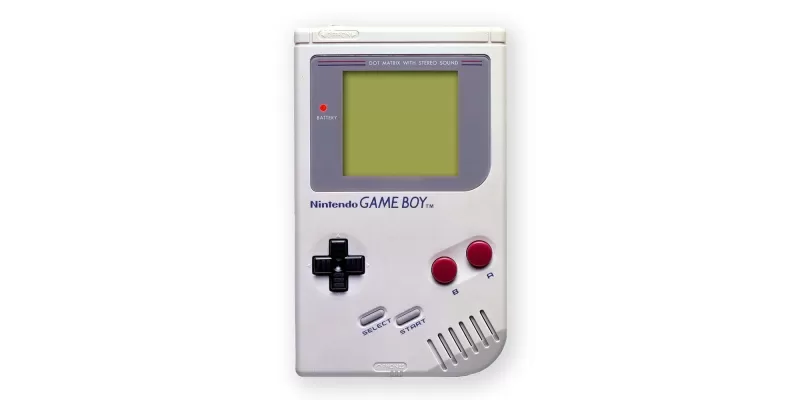
Nintendo’s first true handheld, the Game Boy, introduced cartridge-based gaming on the go. Bundled with Tetris (except in Japan), it became synonymous with portable entertainment and laid the groundwork for future handheld systems.
Super Nintendo Entertainment System - August 23, 1991
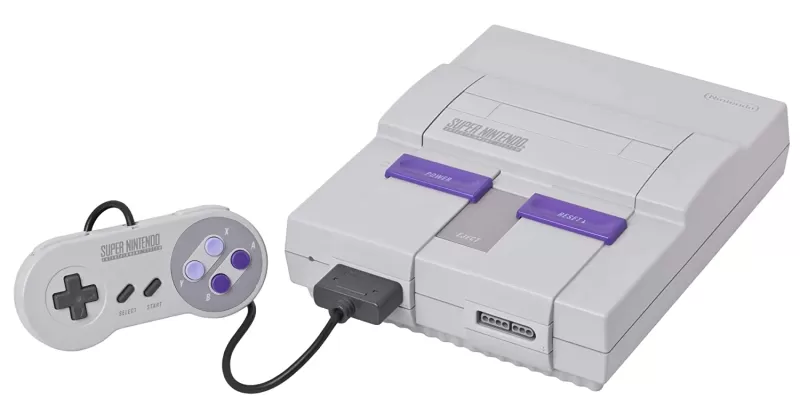
The SNES delivered 16-bit graphics, elevating Nintendo’s franchises with titles like Super Mario World and Donkey Kong Country. Despite a late start in its generation, it became the best-selling console of its era.
Virtual Boy - August 14, 1995
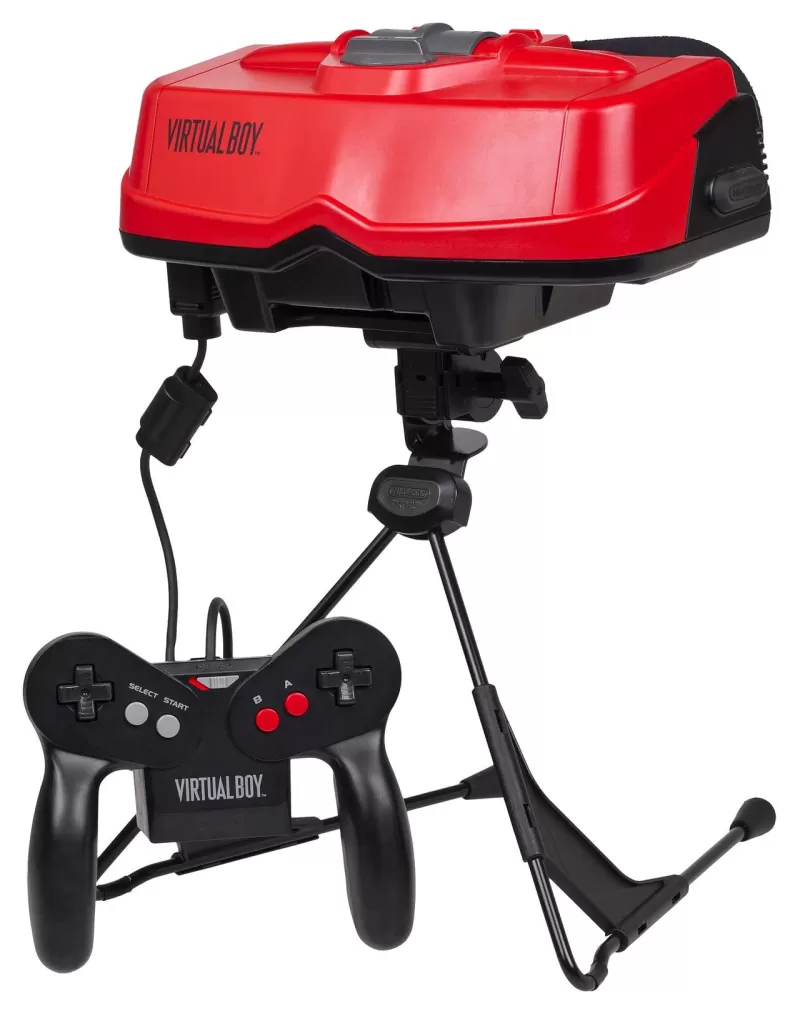
Nintendo’s bold but short-lived Virtual Boy offered early 3D gaming. With just 22 games and limited market traction, it was discontinued within a year, remaining one of Nintendo’s most experimental projects.
Game Boy Pocket - September 3, 1996
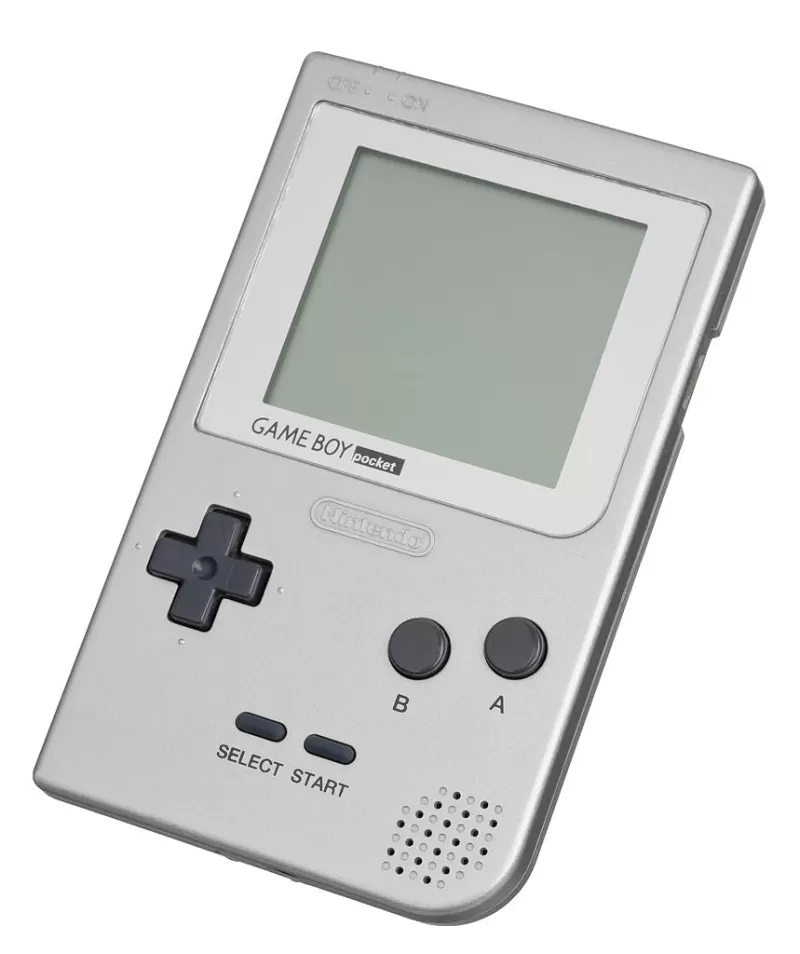
A sleeker, monochrome version of the Game Boy, the Pocket model improved screen response but sacrificed some battery life. It streamlined Nintendo’s handheld design for greater portability.
Nintendo 64 - September 29, 1996
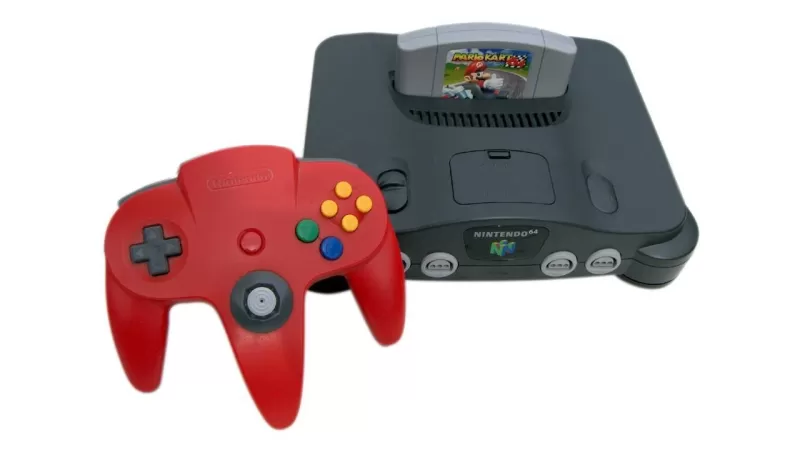
The N64 brought 3D gaming to consoles with groundbreaking titles like Super Mario 64 and Ocarina of Time. Its analog stick controller set new standards, while colorful special editions became collector favorites.
Game Boy Light - April 14, 1998
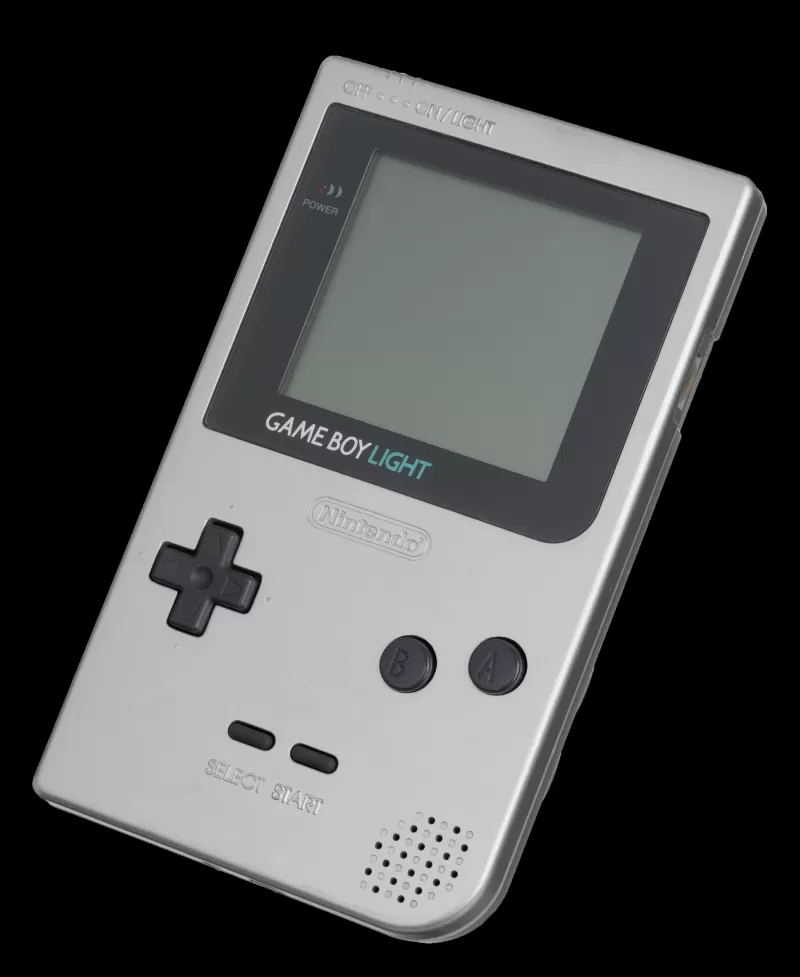
Japan-exclusive Game Boy Light added a backlight, improving visibility and battery life. Though it never launched globally, it hinted at future advancements in handheld displays.
Game Boy Color - November 18, 1998
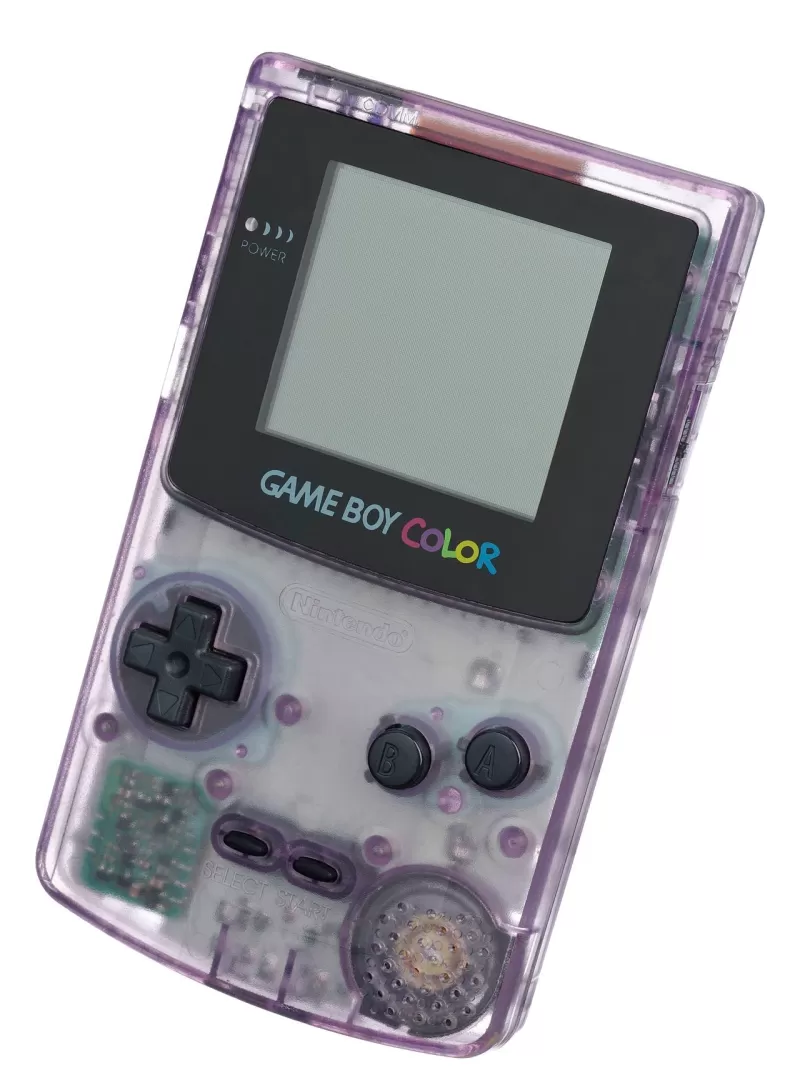
Game Boy Color introduced vibrant visuals while maintaining backward compatibility. Games like Tetris gained new life, and a wave of exclusive titles expanded the library significantly.
Game Boy Advance - June 11, 2001
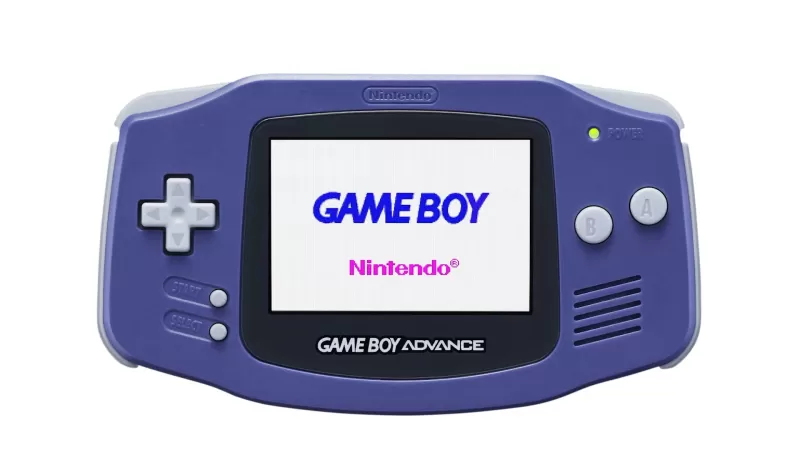
The GBA marked a major leap with 16-bit graphics and a landscape design. Backward compatibility with earlier Game Boy titles gave players access to hundreds of games in one compact system.
Pokémon mini - November 16, 2001
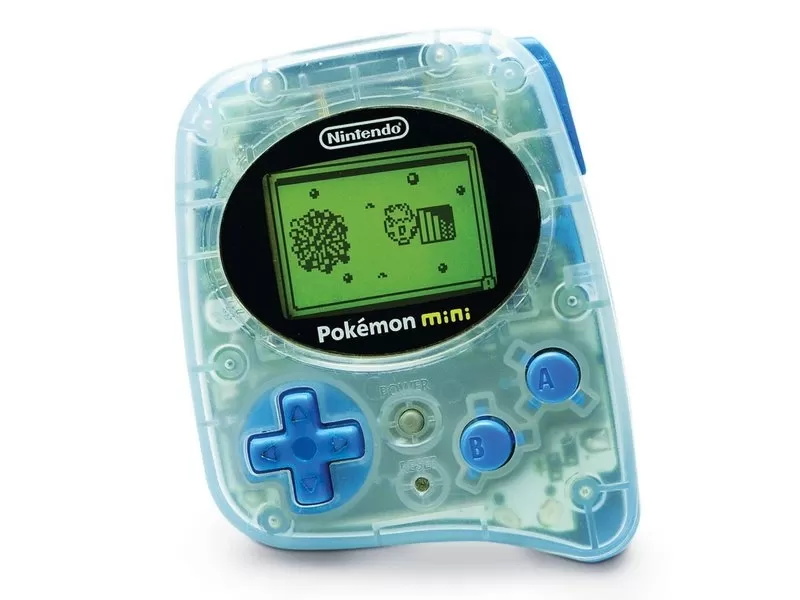 Image Credit: GamesRadar
The pocket-sized Pokémon mini featured just 10 games, focusing on the franchise’s appeal. Unique features like infrared connectivity and built-in rumble made it a niche but innovative handheld.
Nintendo GameCube - November 18, 2001
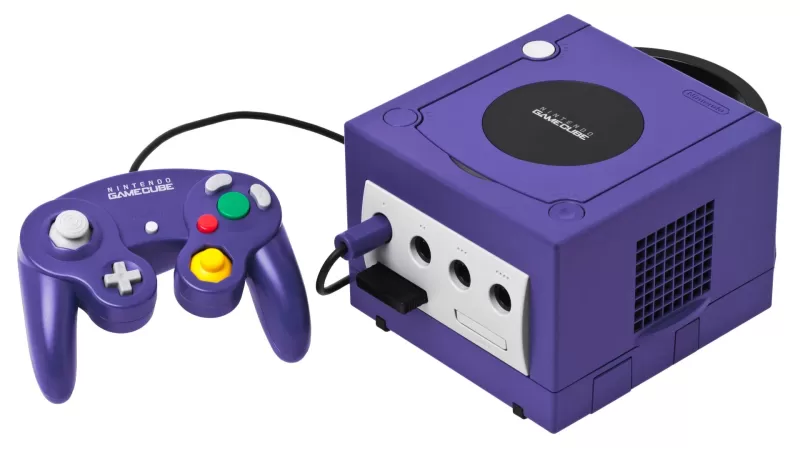
The GameCube introduced discs and refined Nintendo’s controller design with analog triggers and ergonomic improvements. Classics like Wind Waker and Super Smash Bros. Melee solidified its legacy.
Panasonic Q - December 14, 2001
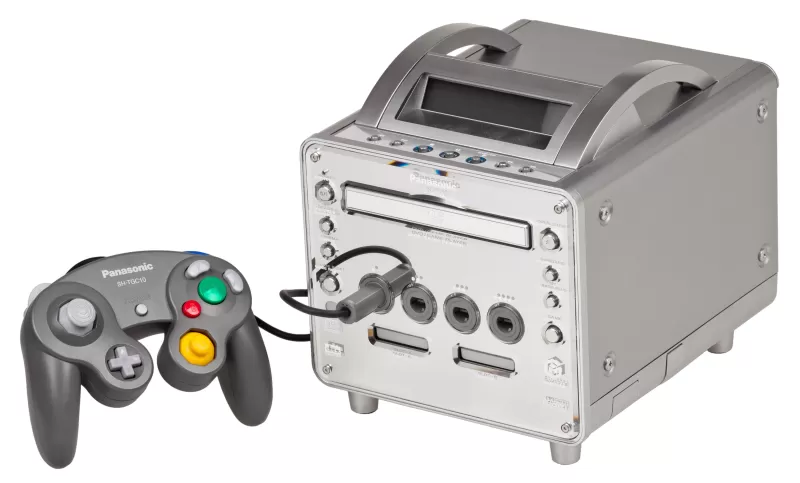
A hybrid DVD player and GameCube, the Panasonic Q boasted a sleek metal design. High pricing limited its appeal, and production ceased after two years.
Game Boy Advance SP - March 23, 2003
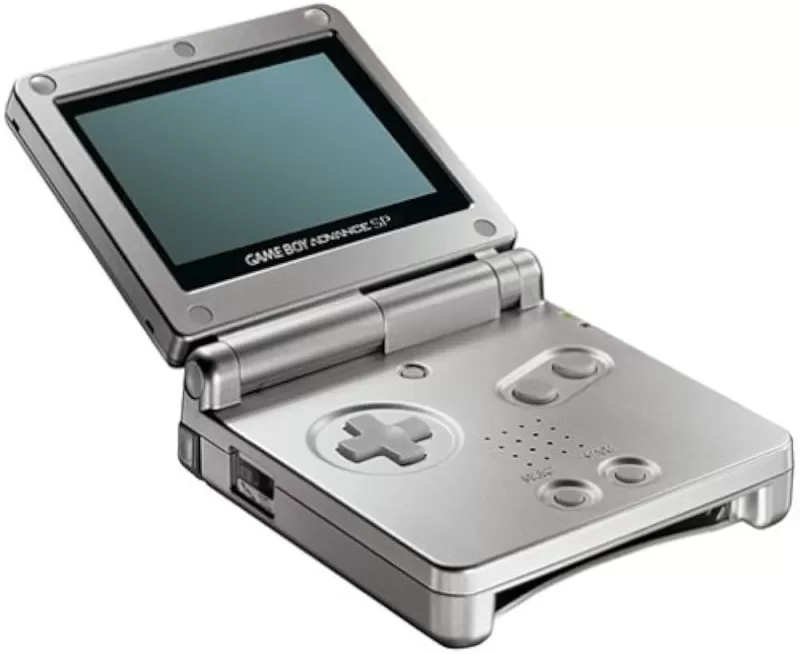
The GBA SP’s clamshell design protected its screen and added a rechargeable battery. Later models introduced a backlight, enhancing gameplay in low-light settings.
Nintendo DS - November 21, 2004
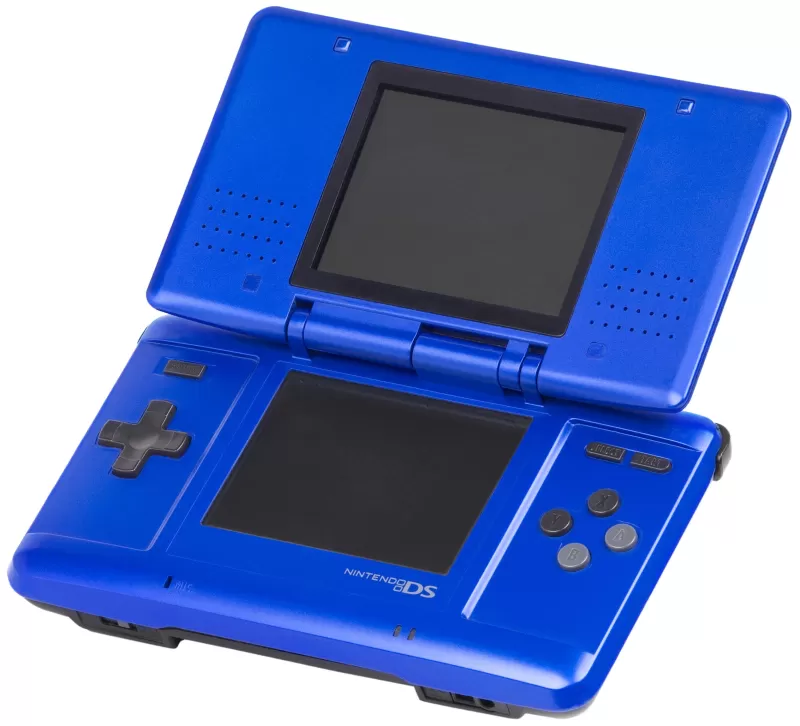
Nintendo’s dual-screen DS revolutionized handheld gaming with touch controls and wireless connectivity. Its library included groundbreaking titles that leveraged its unique hardware.
Game Boy Micro - September 19, 2005
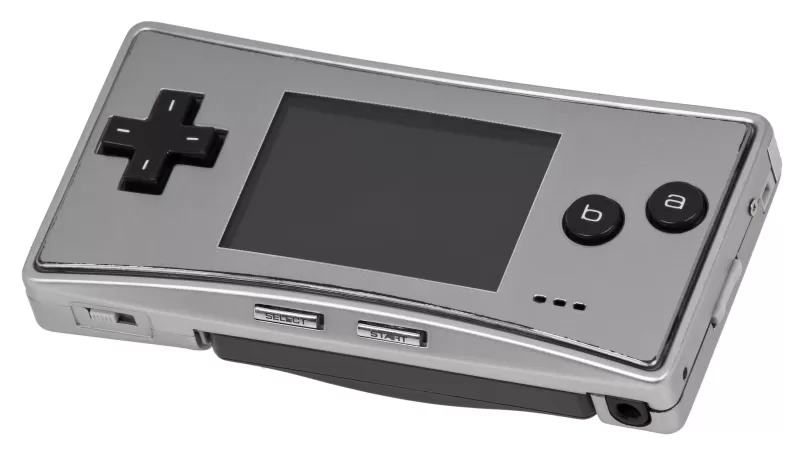
The ultra-compact Game Boy Micro featured customizable faceplates and a crisp backlit screen. Despite its sleek design, limited sales led to a short lifespan.
Nintendo DS Lite - June 11, 2006
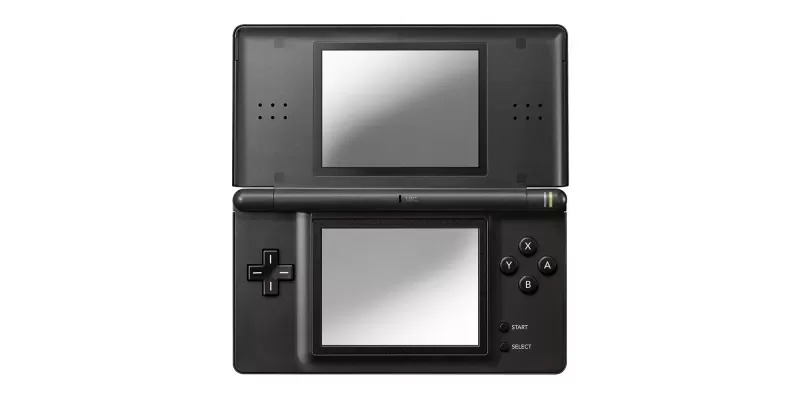
Slimmer and brighter than its predecessor, the DS Lite offered extended battery life and improved portability, solidifying the DS line’s dominance.
Nintendo Wii - November 19, 2006
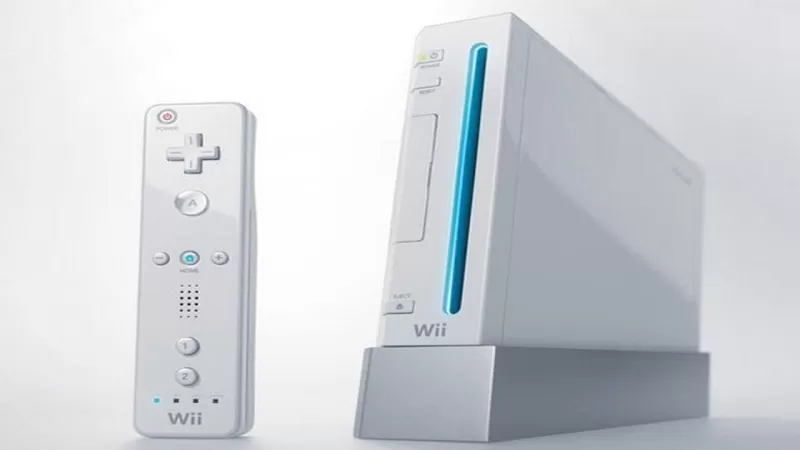
Nintendo’s motion-controlled Wii broadened gaming’s audience. Backward compatibility with GameCube titles and digital retro games via Virtual Console added tremendous value.
Nintendo DSi - November 1, 2008
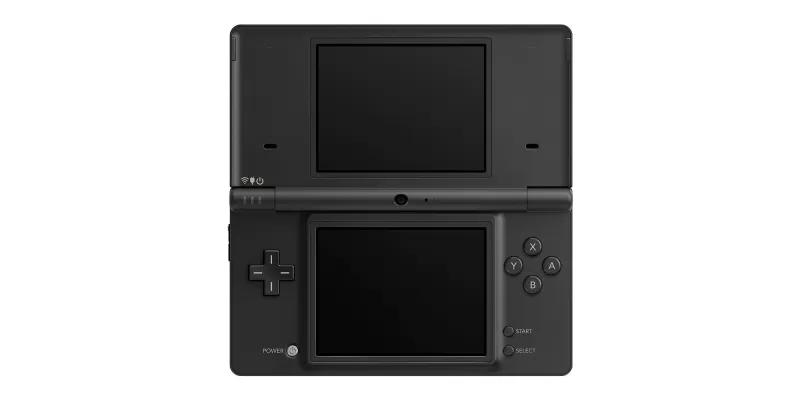
The DSi added cameras and SD storage while removing the GBA slot. While controversial, its digital store paved the way for future Nintendo eShop offerings.
Nintendo DSi XL - November 21, 2009
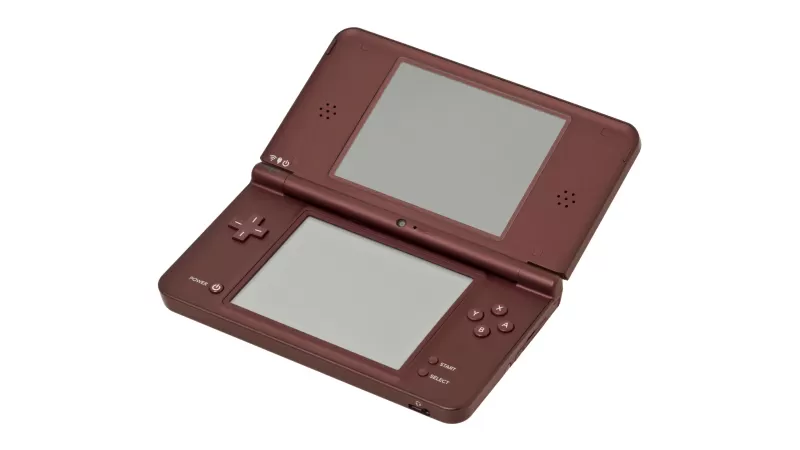
With larger screens and enhanced speakers, the DSi XL improved the portable experience but retained the DSi’s core features.
Nintendo 3DS - March 27, 2011
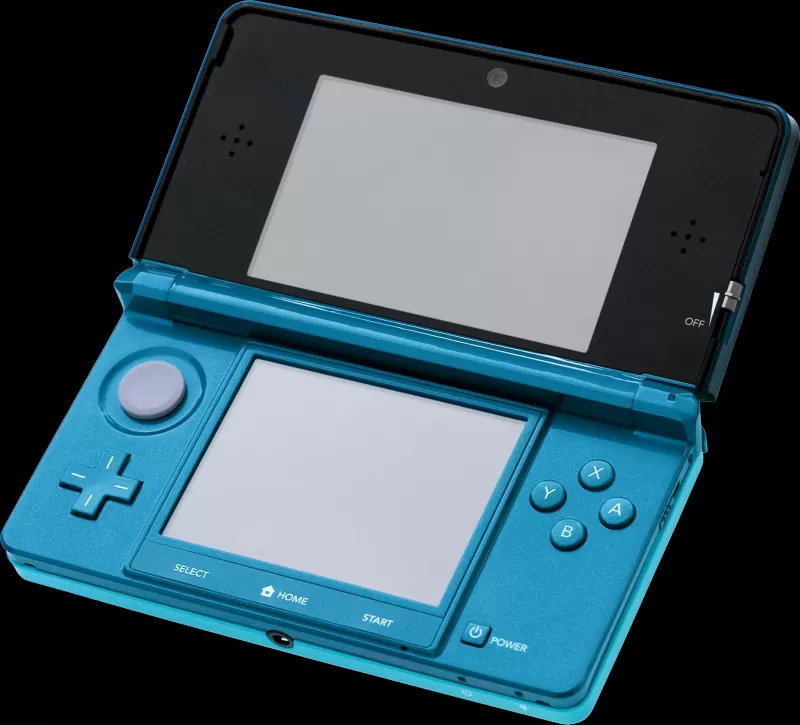
The glasses-free 3D of the 3DS delivered immersive gaming. A robust library, including Fire Emblem: Awakening, cemented its status as a worthy DS successor.
Nintendo 3DS XL - August 19, 2012
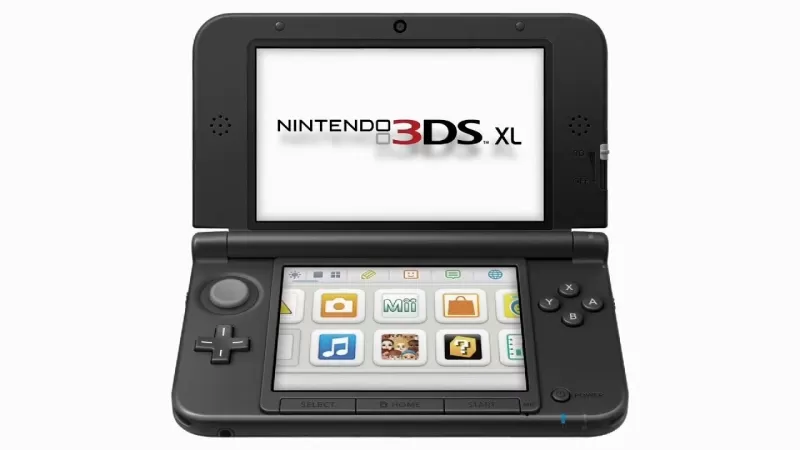
The 3DS XL’s expansive screens enhanced gameplay, making it a favorite among fans despite retaining the original’s core hardware.
Nintendo Wii U - November 18, 2012
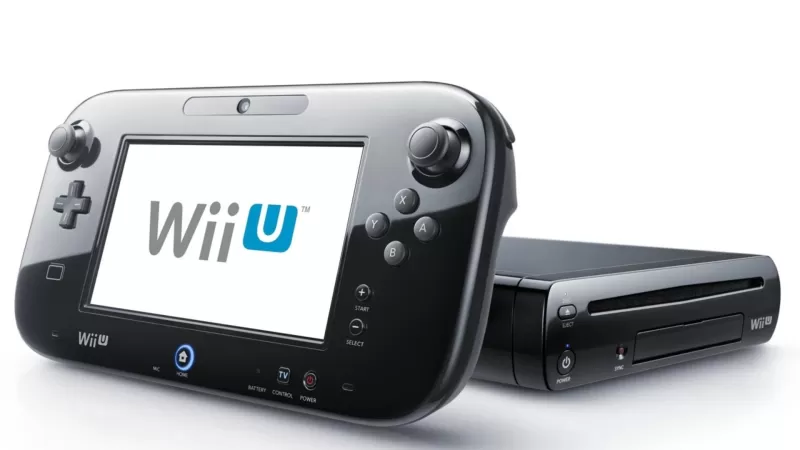
The Wii U’s GamePad controller introduced asymmetric gameplay but suffered from marketing confusion. Hidden gems like Splatoon and Mario 3D World couldn’t offset poor sales.
Nintendo Wii Mini - December 7, 2012
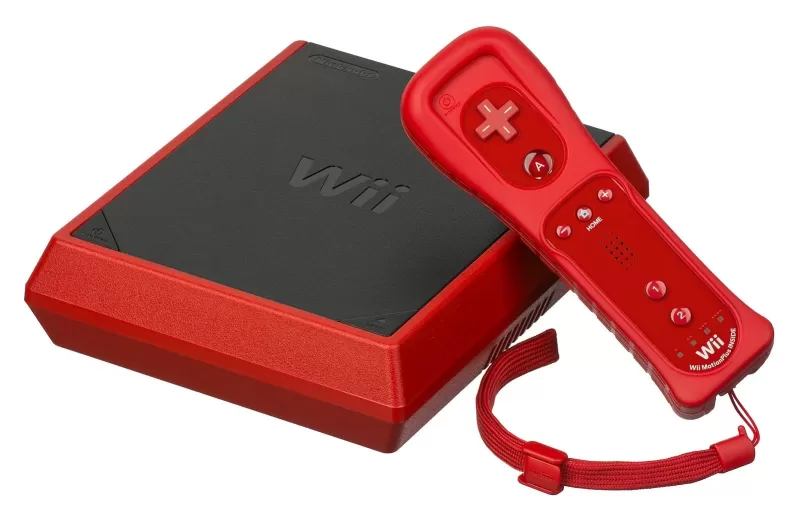
A budget-friendly Wii redesign dropped features like GameCube support and Wi-Fi. It arrived late in the Wii’s lifecycle with limited appeal.
Nintendo 2DS - October 12, 2013
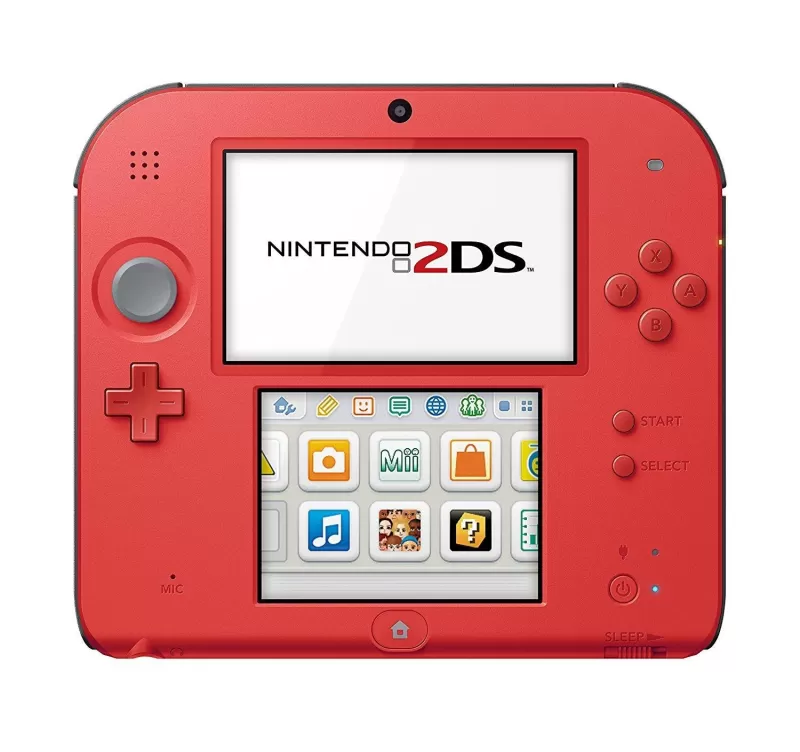
The 2DS ditched 3D functionality for a

 LATEST ARTICLES